Steel Structure Urban Interchange Bridges

Aesthetic Flexibility and Sustainable Lifecycle


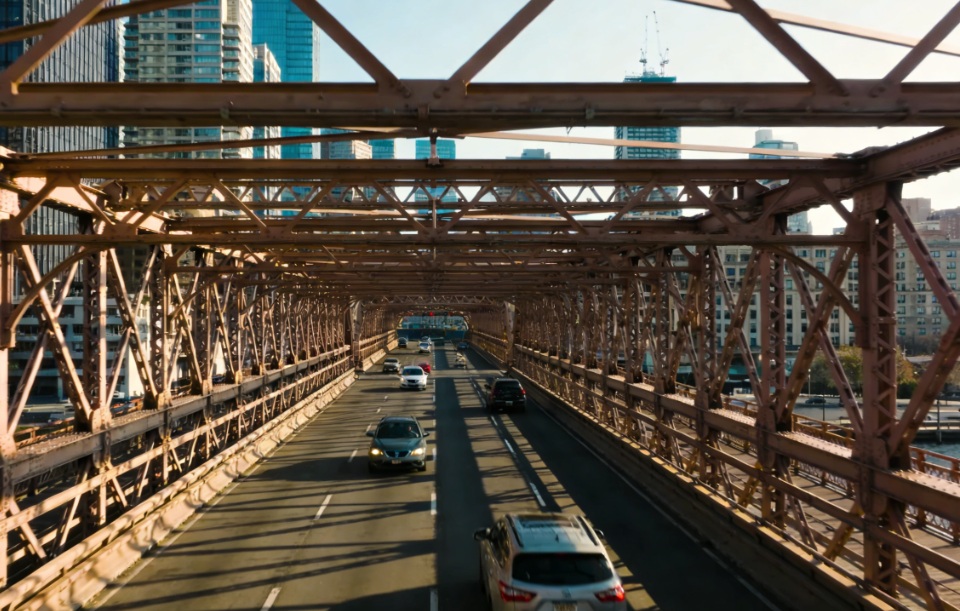
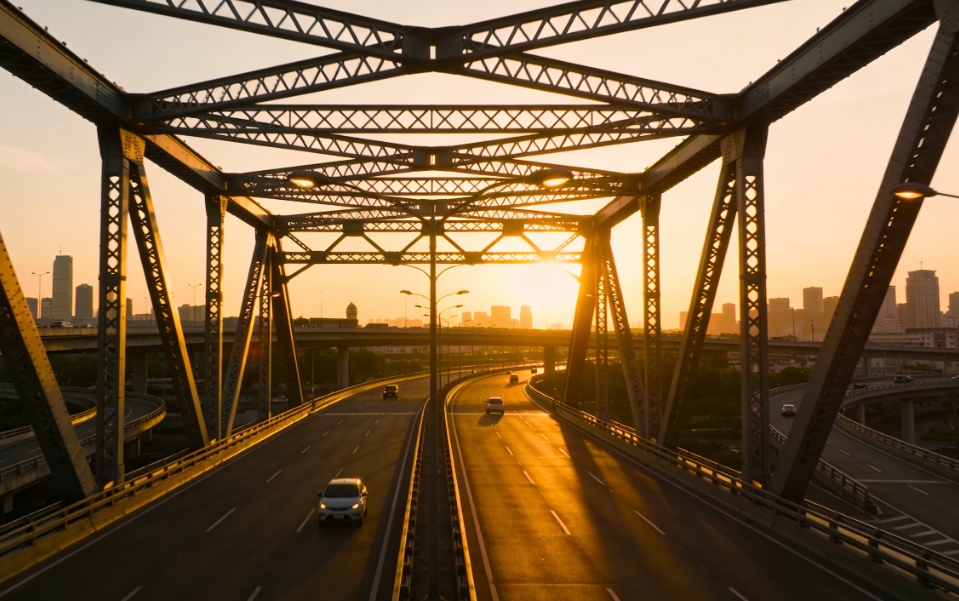
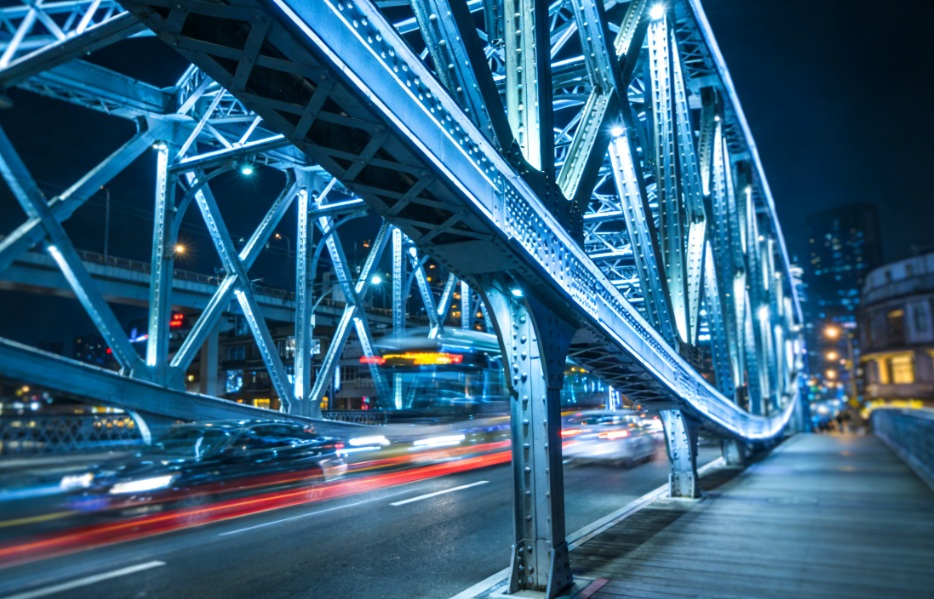
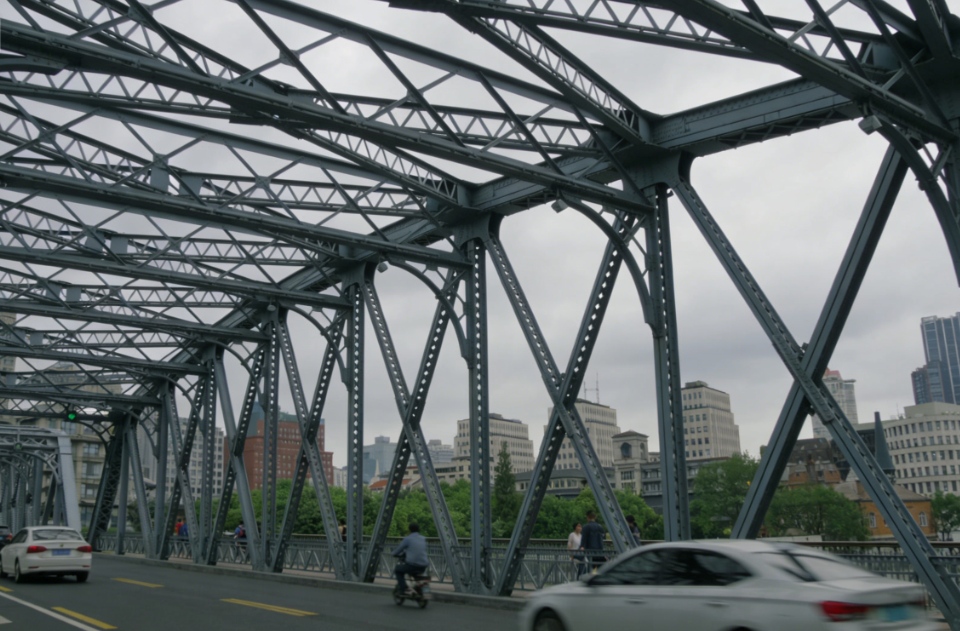
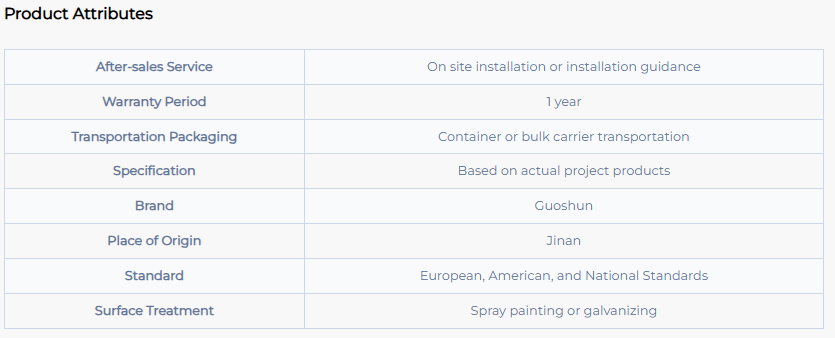
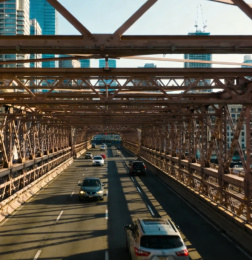
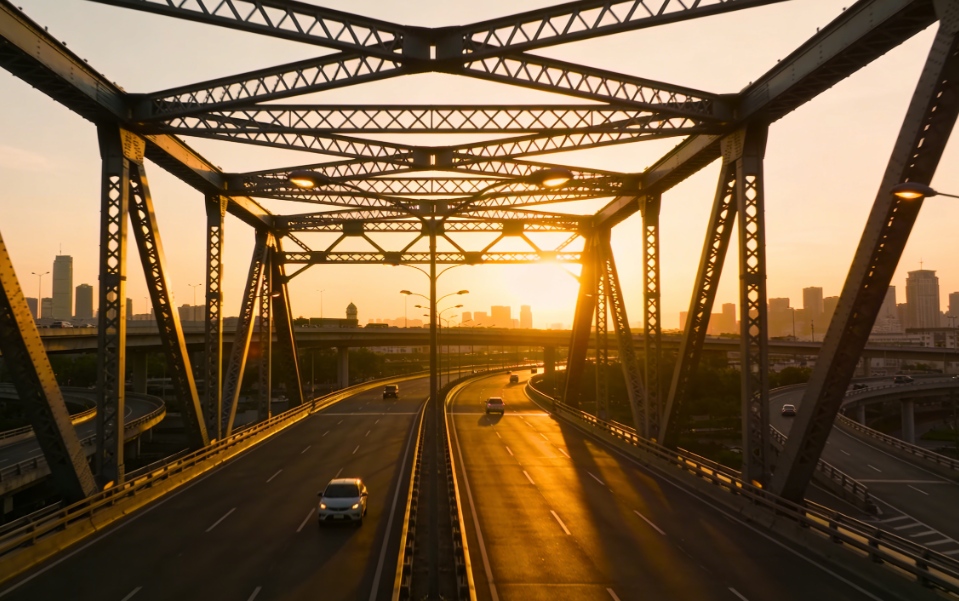
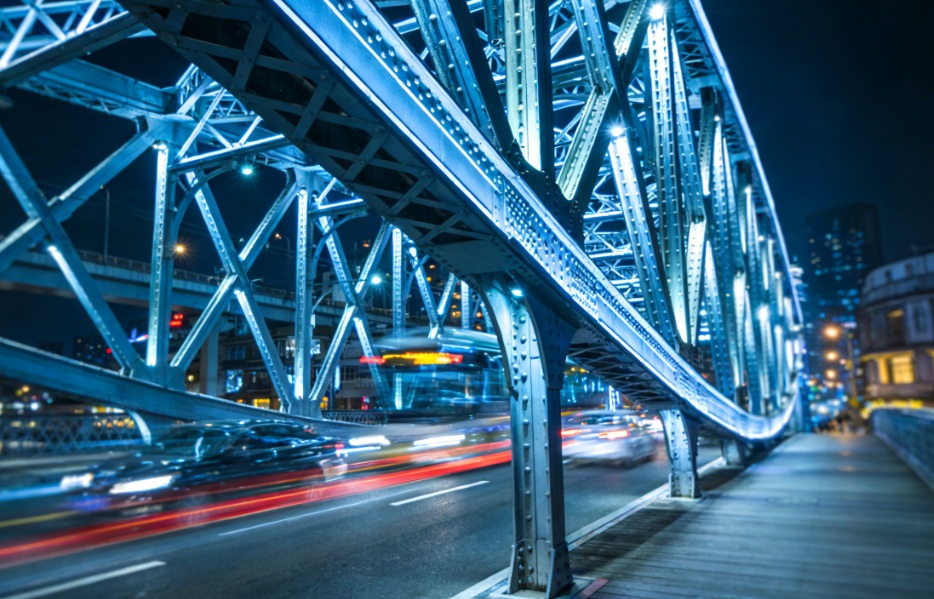
Steel allows for architecturally expressive forms—from sleek curves to geometric patterns—that can enhance the visual identity of urban landscapes. Additionally, steel is fully recyclable, supports modular reconfiguration or future expansion, and requires less maintenance over its lifecycle, aligning with sustainable urban development goals.
  Contact Now
Product Details

Product Advantages

  1. Rapid Construction with Minimal Urban Disruption
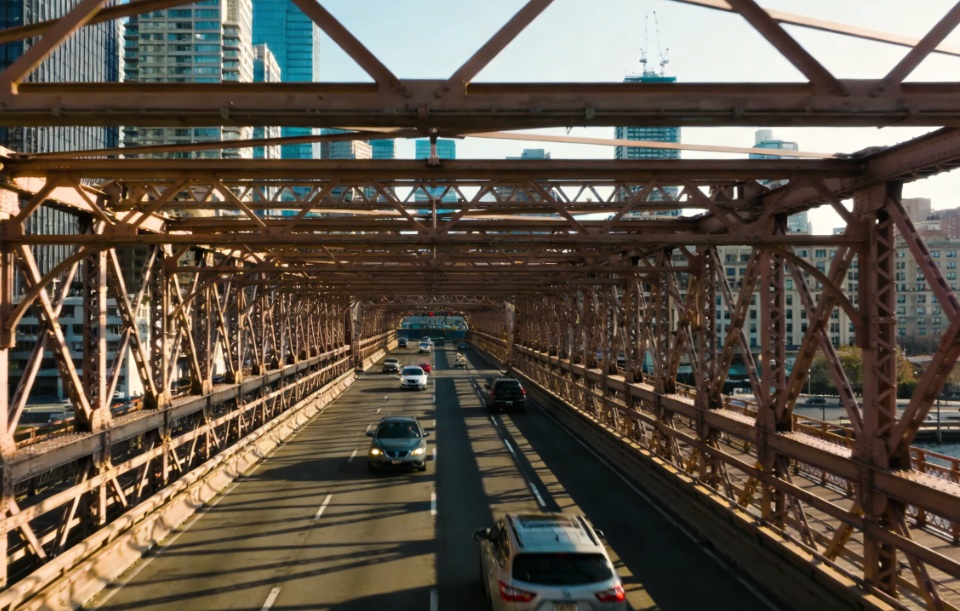
    Prefabricated steel components allow for fast on-site assembly, significantly reducing construction time compared to cast-in-place concrete alternatives. This efficiency minimizes road closures, traffic congestion, and associated economic impacts, making it an ideal solution for busy urban areas.

  2. Lightweight Design and Enhanced Seismic Performance
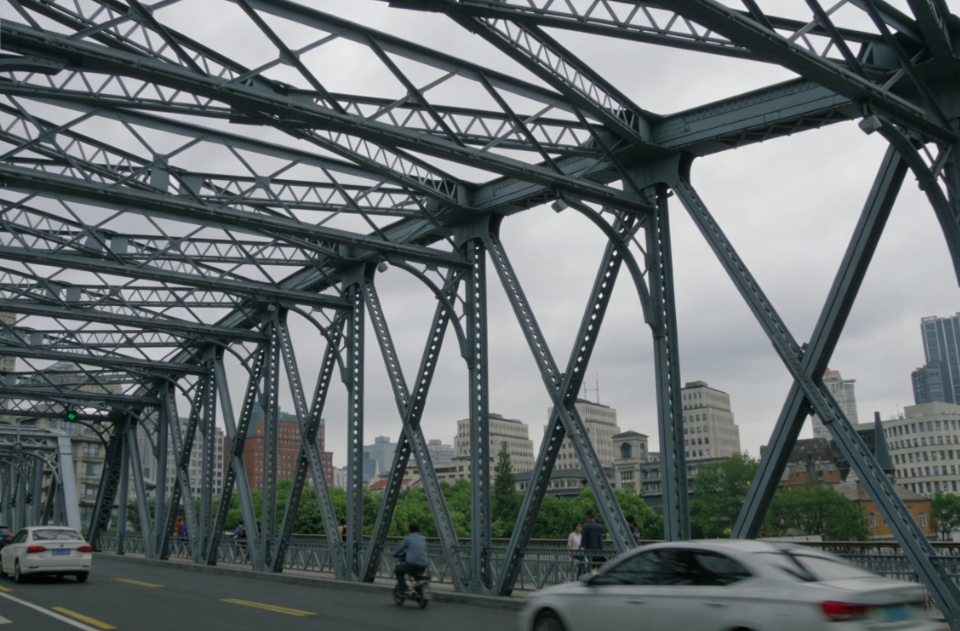
    Steel’s high strength-to-weight ratio enables slender, long-span structures that reduce foundation requirements and material usage. The inherent ductility of steel also provides superior resistance to seismic forces, ensuring structural resilience and public safety in earthquake-prone regions.

  3. Aesthetic Flexibility and Sustainable Lifecycle
    Steel allows for architecturally expressive forms—from sleek curves to geometric patterns—that can enhance the visual identity of urban landscapes. Additionally, steel is fully recyclable, supports modular reconfiguration or future expansion, and requires less maintenance over its lifecycle, aligning with sustainable urban development goals.
Product Advantages Rapid Construction with Minimal Urban Disruption Prefabricated steel components allow for fast on-site assembly, significantly reducing construction time compared to cast-in-place concrete alternatives. This efficiency minimizes road closures, traffic congestion, and associated economic impacts, making it an ideal solution for busy urban areas.  Lightweight Design and Enhanced Seismic Performance Steel’s high strength-to-weight ratio enables slender, long-span structures that reduce foundation requirements and material usage. The inherent ductility of steel also provides superior resistance to seismic forces, ensuring structural resilience and public safety in earthquake-prone regions.  Aesthetic Flexibility and Sustainable Lifecycle Steel allows for architecturally expressive forms—from sleek curves to geometric patterns—that can enhance the visual identity of urban landscapes. Additionally, steel is fully recyclable, supports modular reconfiguration or future expansion, and requires less maintenance over its lifecycle, aligning with sustainable urban development goals.  Summary Steel structure urban interchange bridges deliver a resilient, efficient, and visually integrated solution for modern city transportation networks. By combining accelerated construction with lightweight durability and design versatility, they improve traffic flow, reduce long-term maintenance costs, and contribute to safer, more sustainable urban infrastructure. As cities continue to grow and evolve, steel interchange bridges remain a forward-thinking choice for adaptive and reliable mobility systems.


Product Advantages Rapid Construction with Minimal Urban Disruption Prefabricated steel components allow for fast on-site assembly, significantly reducing construction time compared to cast-in-place concrete alternatives. This efficiency minimizes road closures, traffic congestion, and associated economic impacts, making it an ideal solution for busy urban areas.  Lightweight Design and Enhanced Seismic Performance Steel’s high strength-to-weight ratio enables slender, long-span structures that reduce foundation requirements and material usage. The inherent ductility of steel also provides superior resistance to seismic forces, ensuring structural resilience and public safety in earthquake-prone regions.  Aesthetic Flexibility and Sustainable Lifecycle Steel allows for architecturally expressive forms—from sleek curves to geometric patterns—that can enhance the visual identity of urban landscapes. Additionally, steel is fully recyclable, supports modular reconfiguration or future expansion, and requires less maintenance over its lifecycle, aligning with sustainable urban development goals.  Summary Steel structure urban interchange bridges deliver a resilient, efficient, and visually integrated solution for modern city transportation networks. By combining accelerated construction with lightweight durability and design versatility, they improve traffic flow, reduce long-term maintenance costs, and contribute to safer, more sustainable urban infrastructure. As cities continue to grow and evolve, steel interchange bridges remain a forward-thinking choice for adaptive and reliable mobility systems.


Product Advantages Rapid Construction with Minimal Urban Disruption Prefabricated steel components allow for fast on-site assembly, significantly reducing construction time compared to cast-in-place concrete alternatives. This efficiency minimizes road closures, traffic congestion, and associated economic impacts, making it an ideal solution for busy urban areas.  Lightweight Design and Enhanced Seismic Performance Steel’s high strength-to-weight ratio enables slender, long-span structures that reduce foundation requirements and material usage. The inherent ductility of steel also provides superior resistance to seismic forces, ensuring structural resilience and public safety in earthquake-prone regions.  Aesthetic Flexibility and Sustainable Lifecycle Steel allows for architecturally expressive forms—from sleek curves to geometric patterns—that can enhance the visual identity of urban landscapes. Additionally, steel is fully recyclable, supports modular reconfiguration or future expansion, and requires less maintenance over its lifecycle, aligning with sustainable urban development goals.  Summary Steel structure urban interchange bridges deliver a resilient, efficient, and visually integrated solution for modern city transportation networks. By combining accelerated construction with lightweight durability and design versatility, they improve traffic flow, reduce long-term maintenance costs, and contribute to safer, more sustainable urban infrastructure. As cities continue to grow and evolve, steel interchange bridges remain a forward-thinking choice for adaptive and reliable mobility systems.


Product Advantages Rapid Construction with Minimal Urban Disruption Prefabricated steel components allow for fast on-site assembly, significantly reducing construction time compared to cast-in-place concrete alternatives. This efficiency minimizes road closures, traffic congestion, and associated economic impacts, making it an ideal solution for busy urban areas.  Lightweight Design and Enhanced Seismic Performance Steel’s high strength-to-weight ratio enables slender, long-span structures that reduce foundation requirements and material usage. The inherent ductility of steel also provides superior resistance to seismic forces, ensuring structural resilience and public safety in earthquake-prone regions.  Aesthetic Flexibility and Sustainable Lifecycle Steel allows for architecturally expressive forms—from sleek curves to geometric patterns—that can enhance the visual identity of urban landscapes. Additionally, steel is fully recyclable, supports modular reconfiguration or future expansion, and requires less maintenance over its lifecycle, aligning with sustainable urban development goals.  Summary Steel structure urban interchange bridges deliver a resilient, efficient, and visually integrated solution for modern city transportation networks. By combining accelerated construction with lightweight durability and design versatility, they improve traffic flow, reduce long-term maintenance costs, and contribute to safer, more sustainable urban infrastructure. As cities continue to grow and evolve, steel interchange bridges remain a forward-thinking choice for adaptive and reliable mobility systems.

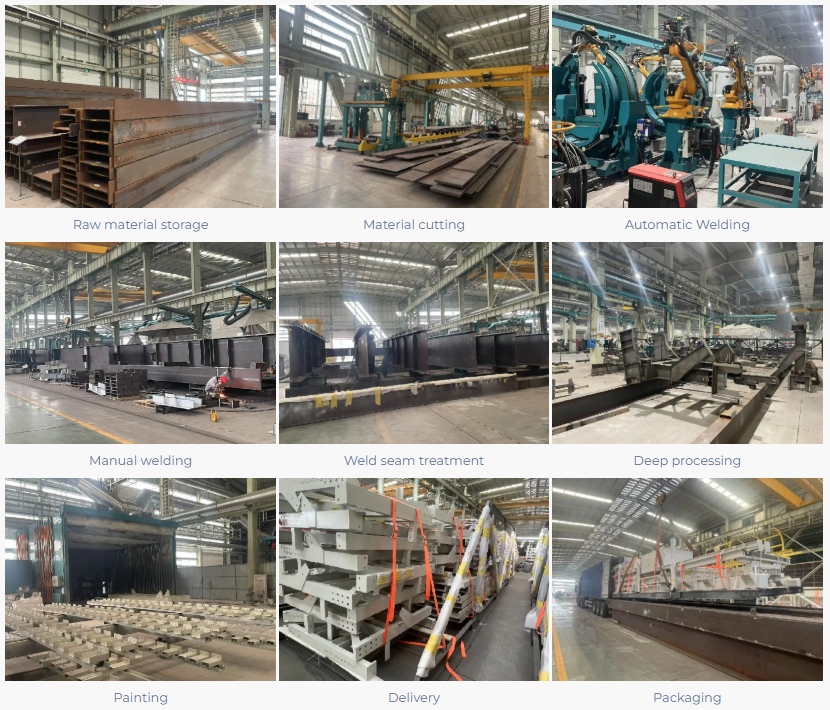
Company introduction

Product Advantages Rapid Construction with Minimal Urban Disruption Prefabricated steel components allow for fast on-site assembly, significantly reducing construction time compared to cast-in-place concrete alternatives. This efficiency minimizes road closures, traffic congestion, and associated economic impacts, making it an ideal solution for busy urban areas.  Lightweight Design and Enhanced Seismic Performance Steel’s high strength-to-weight ratio enables slender, long-span structures that reduce foundation requirements and material usage. The inherent ductility of steel also provides superior resistance to seismic forces, ensuring structural resilience and public safety in earthquake-prone regions.  Aesthetic Flexibility and Sustainable Lifecycle Steel allows for architecturally expressive forms—from sleek curves to geometric patterns—that can enhance the visual identity of urban landscapes. Additionally, steel is fully recyclable, supports modular reconfiguration or future expansion, and requires less maintenance over its lifecycle, aligning with sustainable urban development goals.  Summary Steel structure urban interchange bridges deliver a resilient, efficient, and visually integrated solution for modern city transportation networks. By combining accelerated construction with lightweight durability and design versatility, they improve traffic flow, reduce long-term maintenance costs, and contribute to safer, more sustainable urban infrastructure. As cities continue to grow and evolve, steel interchange bridges remain a forward-thinking choice for adaptive and reliable mobility systems.


Product Advantages Rapid Construction with Minimal Urban Disruption Prefabricated steel components allow for fast on-site assembly, significantly reducing construction time compared to cast-in-place concrete alternatives. This efficiency minimizes road closures, traffic congestion, and associated economic impacts, making it an ideal solution for busy urban areas.  Lightweight Design and Enhanced Seismic Performance Steel’s high strength-to-weight ratio enables slender, long-span structures that reduce foundation requirements and material usage. The inherent ductility of steel also provides superior resistance to seismic forces, ensuring structural resilience and public safety in earthquake-prone regions.  Aesthetic Flexibility and Sustainable Lifecycle Steel allows for architecturally expressive forms—from sleek curves to geometric patterns—that can enhance the visual identity of urban landscapes. Additionally, steel is fully recyclable, supports modular reconfiguration or future expansion, and requires less maintenance over its lifecycle, aligning with sustainable urban development goals.  Summary Steel structure urban interchange bridges deliver a resilient, efficient, and visually integrated solution for modern city transportation networks. By combining accelerated construction with lightweight durability and design versatility, they improve traffic flow, reduce long-term maintenance costs, and contribute to safer, more sustainable urban infrastructure. As cities continue to grow and evolve, steel interchange bridges remain a forward-thinking choice for adaptive and reliable mobility systems.

Summary

Steel structure urban interchange bridges deliver a resilient, efficient, and visually integrated solution for modern city transportation networks. By combining accelerated construction with lightweight durability and design versatility, they improve traffic flow, reduce long-term maintenance costs, and contribute to safer, more sustainable urban infrastructure. As cities continue to grow and evolve, steel interchange bridges remain a forward-thinking choice for adaptive and reliable mobility systems.


Send your message to us