


 Francés
 Español
 Português
 Русский
 العربية
 Deutsch
 日本語
日本語
 Nederlands
 Kiswahili


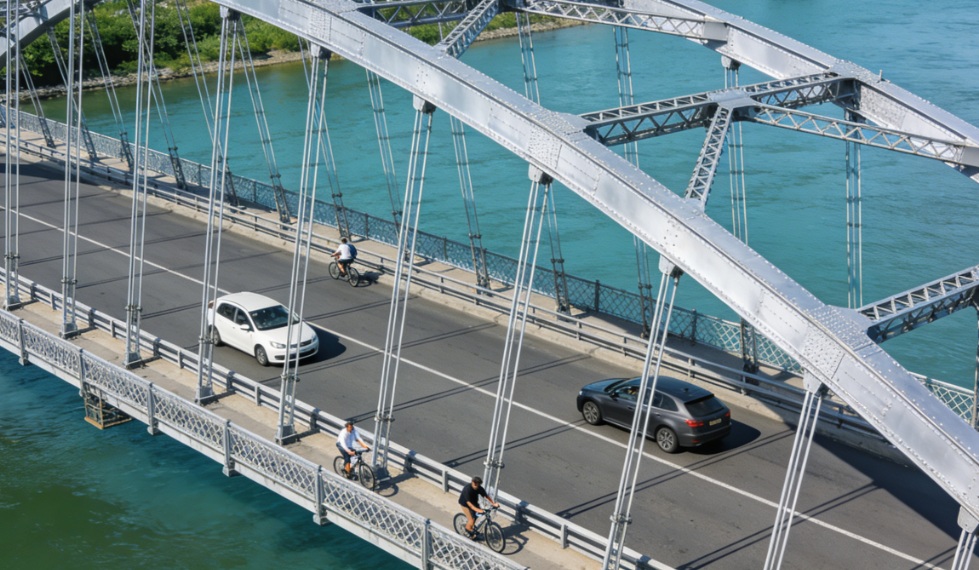
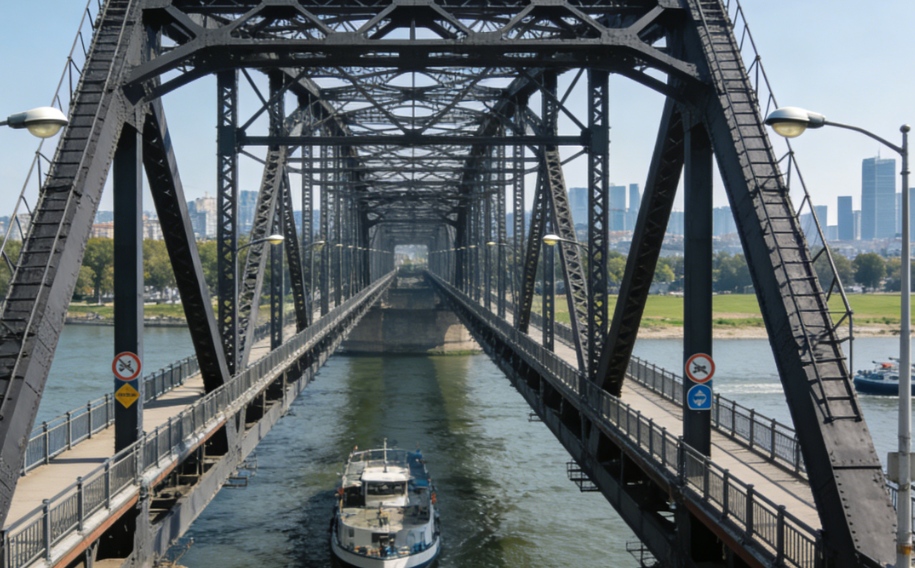
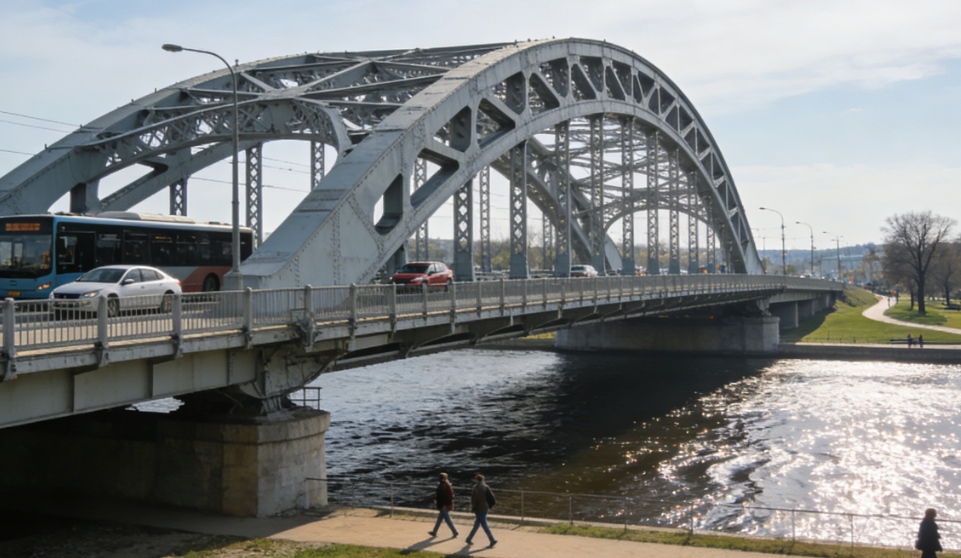
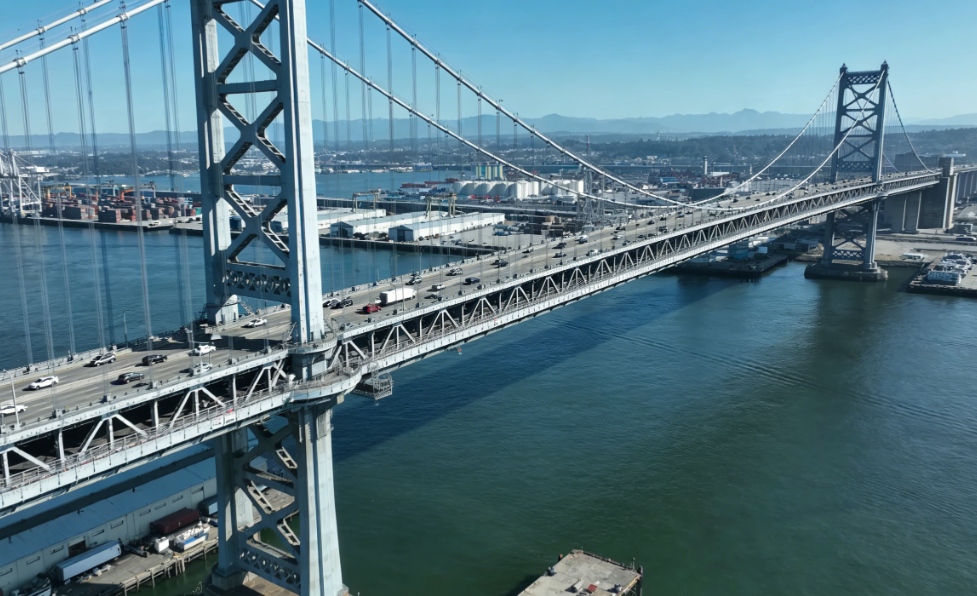
Steel Structure River-Crossing Bridge
Exceptional Strength, Durability & Adaptability
High Load Capacity & Resilience: Steel structures offer excellent strength and ductility, providing robust performance under heavy traffic loads and superior resistance to seismic activity and dynamic forces like flood impacts.
Effective Corrosion Protection & Long Life: Modern systems employing high-performance coating systems, corrosion-resistant steels, or internal dehumidification ensure a design life exceeding 100 years with proper maintenance, even in aggressive riverine environments.
Design Flexibility for Site Constraints: Steel bridges can be tailored to complex geometric requirements, such as curved alignments or variable deck widths, and are well-suited for staged construction or future widening projects with minimal traffic disruption.
Product Details
1. Product Introduction: Steel Structure River-Crossing Bridge
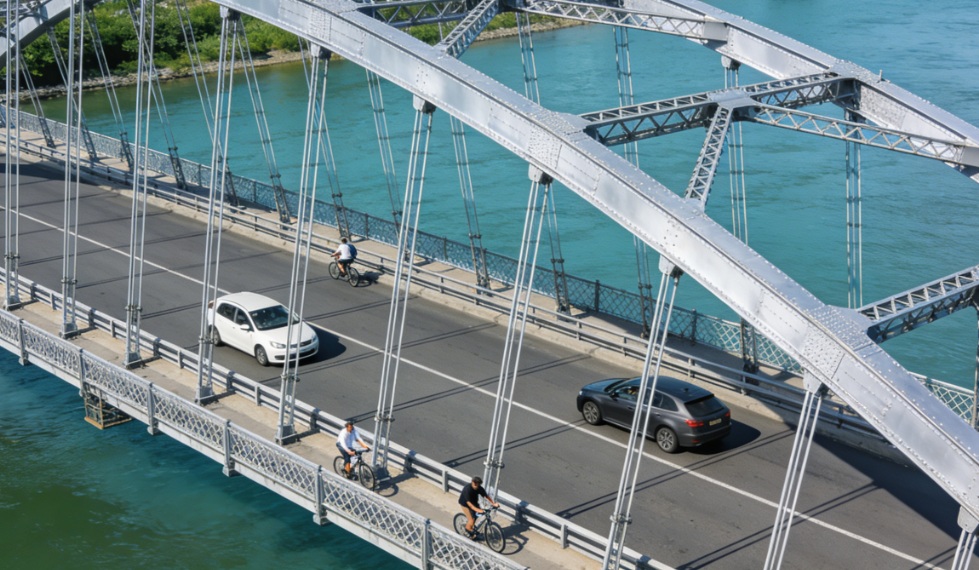
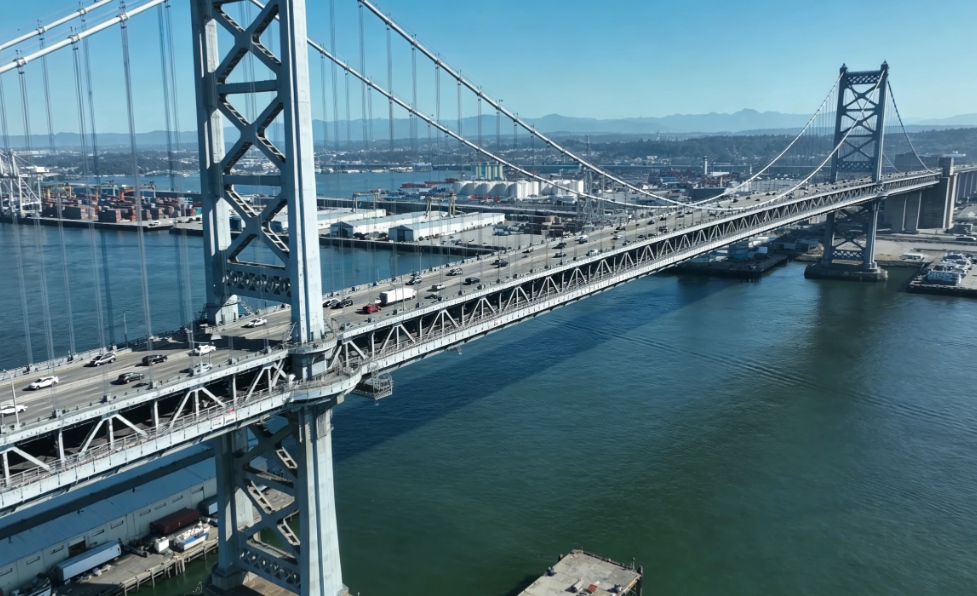
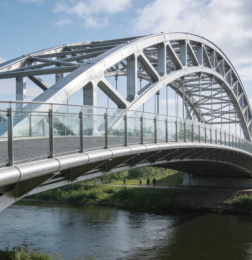
A Steel Structure River-Crossing Bridge is a vital transportation link specifically engineered to span rivers, channels, or estuaries using a steel-based superstructure as its primary load-bearing system. Common configurations include girder bridges, arch bridges, truss bridges, and cable-stayed bridges, chosen based on span requirements, navigational clearances, and site conditions. This product is designed to provide a durable, efficient, and often visually distinct crossing with minimal disruption to the waterway and its environment during and after construction.
2. Product Advantages
Superior Spanning Capacity & Rapid Construction
Efficient Long-Span Solutions: Steel's high strength-to-weight ratio enables economical long spans, reducing the number of piers required in the water. This minimizes the impact on river hydrology, navigation, and aquatic ecosystems.
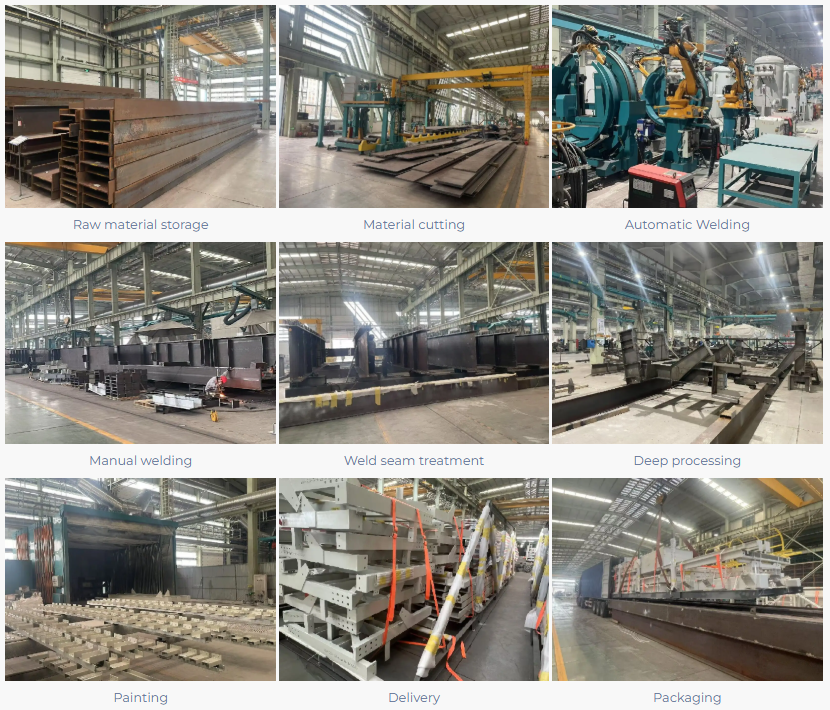
Accelerated On-Site Assembly: Major components like prefabricated girders, truss sections, or box segments can be manufactured off-site and installed using launching gantries or floating cranes. This method drastically reduces in-water work time and overall construction duration compared to cast-in-place concrete alternatives.
Exceptional Strength, Durability & Adaptability
High Load Capacity & Resilience: Steel structures offer excellent strength and ductility, providing robust performance under heavy traffic loads and superior resistance to seismic activity and dynamic forces like flood impacts.
Effective Corrosion Protection & Long Life: Modern systems employing high-performance coating systems, corrosion-resistant steels, or internal dehumidification ensure a design life exceeding 100 years with proper maintenance, even in aggressive riverine environments.
Design Flexibility for Site Constraints: Steel bridges can be tailored to complex geometric requirements, such as curved alignments or variable deck widths, and are well-suited for staged construction or future widening projects with minimal traffic disruption.
Economic & Sustainable Lifecycle Value
Favorable Lifecycle Economics: While initial costs are competitive, the true value lies in the shorter construction period (reducing indirect costs), lower long-term maintenance needs compared to some alternatives, and potential for future reuse or recycling of materials.
Reduced Environmental Footprint: The precision of prefabrication limits on-site waste and waterway pollution. The light weight reduces foundation size and embodied carbon in substructures. At end-of-life, steel is 100% recyclable, supporting a circular economy.

Company introduction

3. Summary
The Steel Structure River-Crossing Bridge is the premier engineering solution for creating efficient, durable, and context-sensitive crossings over waterways. It excels by delivering long spans with minimal environmental intrusion through rapid, precise construction. Its inherent strength, adaptability to challenging sites, and sustainable lifecycle profile make it a responsible and forward-looking investment in infrastructure. More than just a link between two banks, it is a resilient asset engineered for safety, longevity, and harmony with the aquatic environment it spans.
Send your message to us
Related Products
Related News
Submitted successfully
We will contact you as soon as possible
Close