


 Francés
 Español
 Português
 Русский
 العربية
 Deutsch
 日本語
日本語
 Nederlands
 Kiswahili


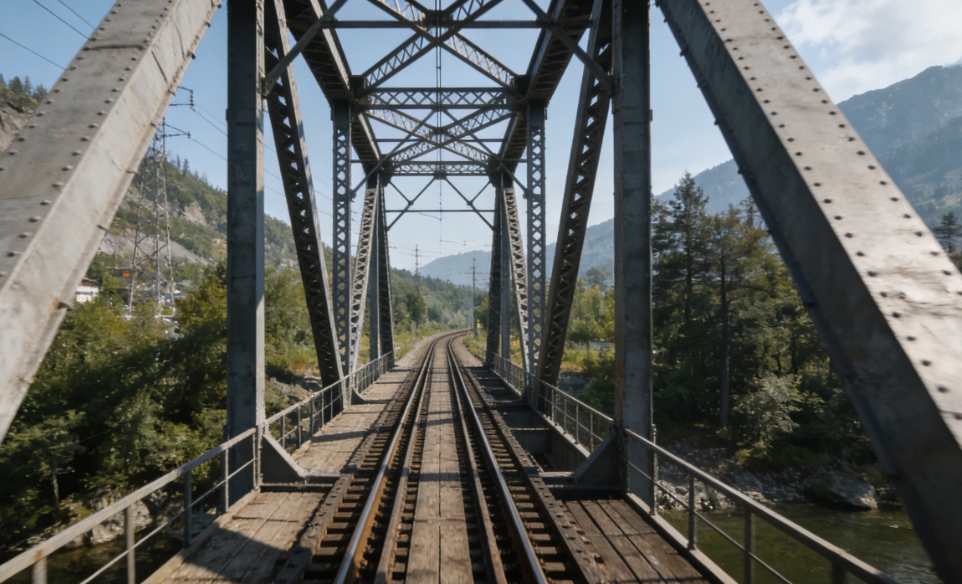
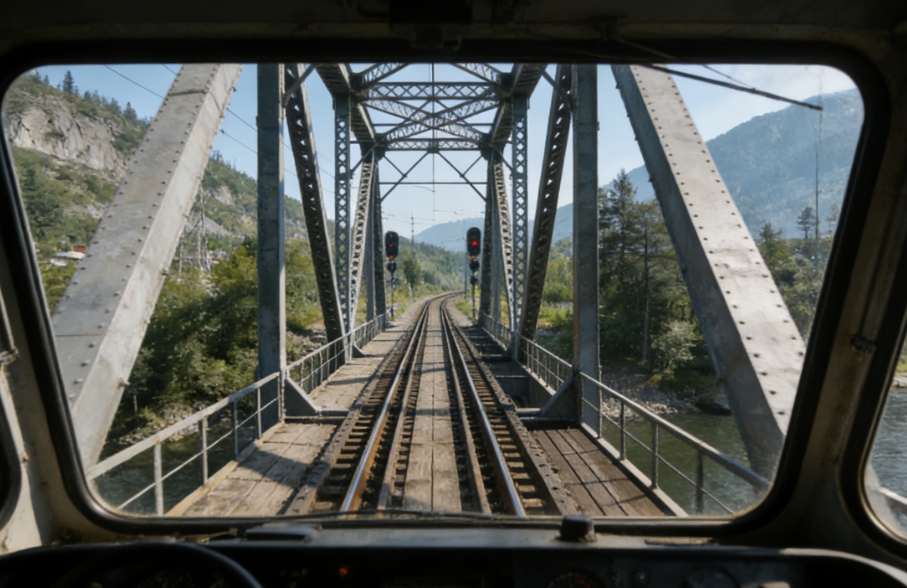
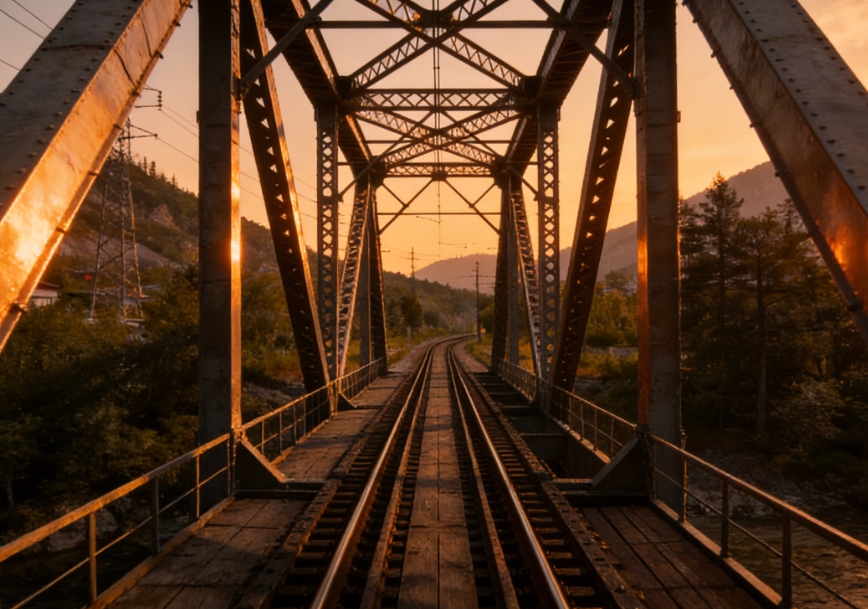
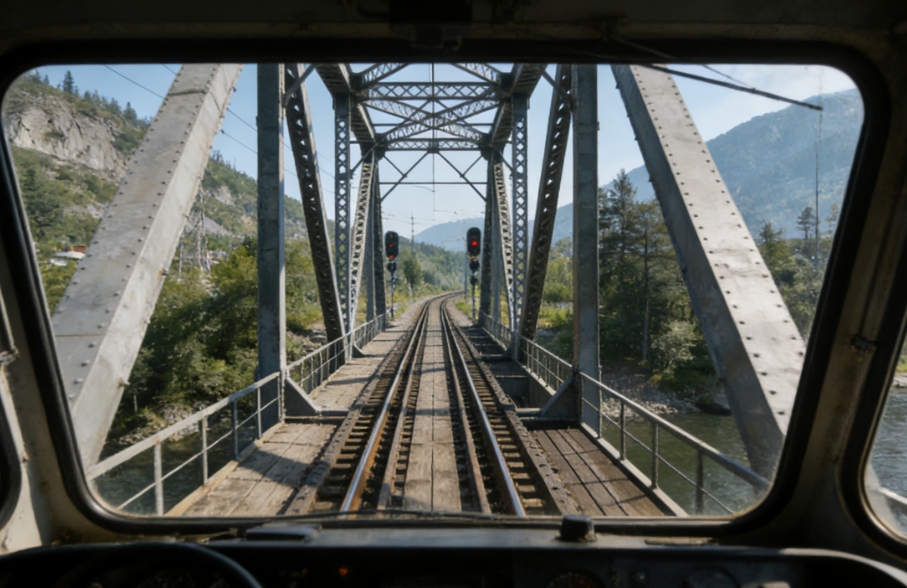
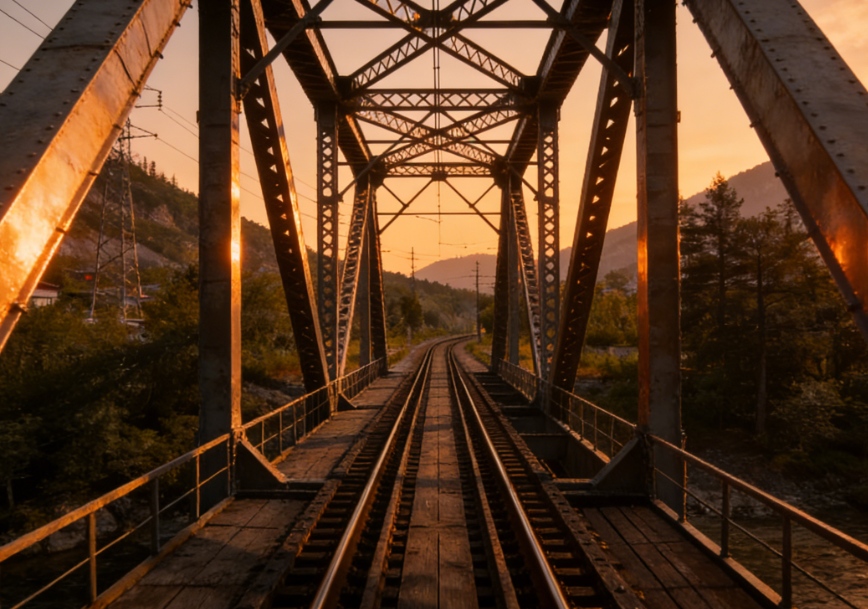
Steel structure railway
Excellent structure and load-bearing performance:
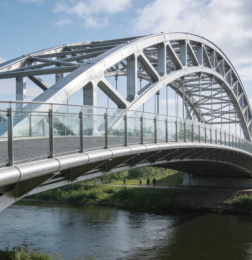
With the high strength and toughness of steel, larger span bridges (such as simply supported beams over 200 meters) can be constructed, reducing the number of bridge piers and adapting to complex terrains.
Providing extremely high track smoothness and stability, especially suitable for high-speed railways and heavy-duty lines with a speed of over 300 kilometers per hour, ensuring safe and comfortable operation.
Product Details
1. Core Product Positioning
Steel Structure Railway is a modern railway engineering system that utilizes high-performance steel as the primary load-bearing and track-supporting structure. Specifically designed for high-speed railways, heavy-haul railways, mixed passenger-freight lines, and urban rail transit, it employs industrialized prefabrication, modular construction, and intelligent maintenance to establish a railway backbone network characterized by high strength, exceptional durability, and full lifecycle manageability.
2. Core Product Advantages
Superior Structural and Load-Bearing Performance:
Leveraging the high strength and ductility of steel, it enables the construction of longer-span bridges (e.g., simply-supported beams exceeding 200 meters), reducing the number of piers and adapting to complex terrains.
Provides outstanding track smoothness and stability, making it particularly suitable for high-speed railways operating above 300 km/h and heavy-axle-load freight lines, ensuring operational safety and ride comfort.
Unmatched Construction and Maintenance Efficiency:
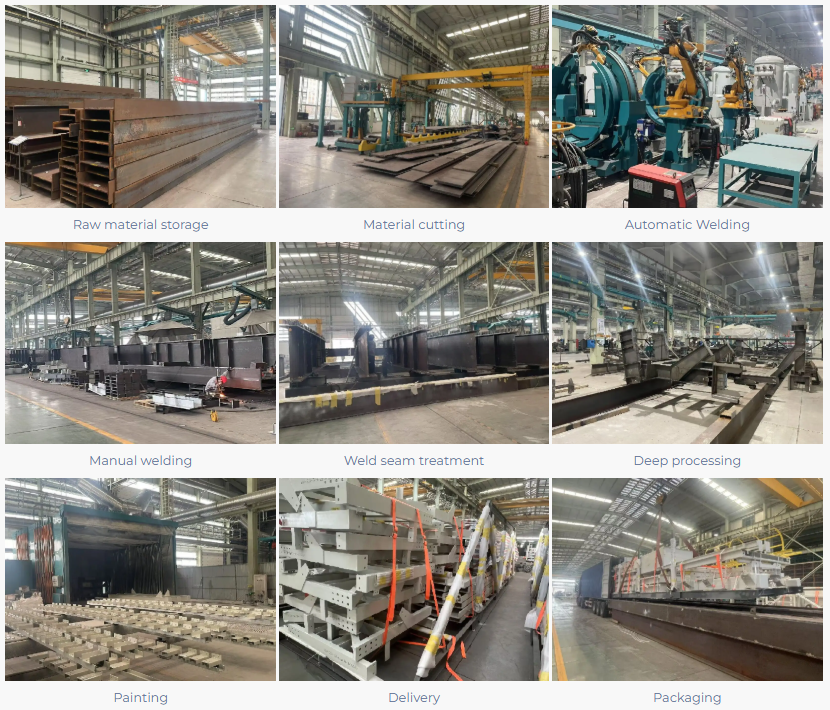
Key components (such as steel box girders, truss girders, and steel sleepers) achieve over 85% factory prefabrication, allowing for rapid on-site assembly and shortening the project timeline by 30%-50% compared to traditional concrete structures.
The steel structure facilitates the installation of structural health monitoring sensors, enabling real-time monitoring and predictive maintenance of bridges and tracks, significantly reducing whole-lifecycle operation and maintenance costs.
Exceptional Sustainability and Environmental Benefits:
The construction process minimizes wet work, resulting in lower dust and noise pollution and reduced disruption to the surrounding ecological environment along the route.
Steel is 100% recyclable, ensuring nearly zero construction waste during line upgrades or decommissioning, making it a genuinely green infrastructure solution.
3. Product Technical System and Extended Value
Core Systems: Include bridge systems such as steel-concrete composite girders, steel truss bridges, and all-steel box girder bridges, as well as track substructures like steel sleepers and rail support frames.
Smart Integration: Naturally compatible with BIM forward design and digital twins, providing the physical foundation for future intelligent train dispatching, self-sensing infrastructure condition monitoring, and early warning systems.
Economic and Social Value: Its rapid construction capability accelerates network connectivity and stimulates regional economic development. With exceptional durability (design life can exceed 100 years) and low maintenance requirements, it offers operators a long-term, reliable, and economically efficient capital asset.
Company Introduction
Summary: The Steel Structure Railway is the core vehicle for modernizing railway engineering towards high performance, industrialization, intelligence, and sustainability. It is not merely an engineering solution for complex terrains and long-span requirements but represents a strategic infrastructure choice that comprehensively surpasses traditional methods in construction speed, operational safety, long-term economy, and environmental friendliness through material and technological innovation, signifying a crucial direction for the future of railway construction.
Send your message to us
Related Products
Related News
Submitted successfully
We will contact you as soon as possible
Close