


 Francés
 Español
 Português
 Русский
 العربية
 Deutsch
 日本語
日本語
 Nederlands
 Kiswahili


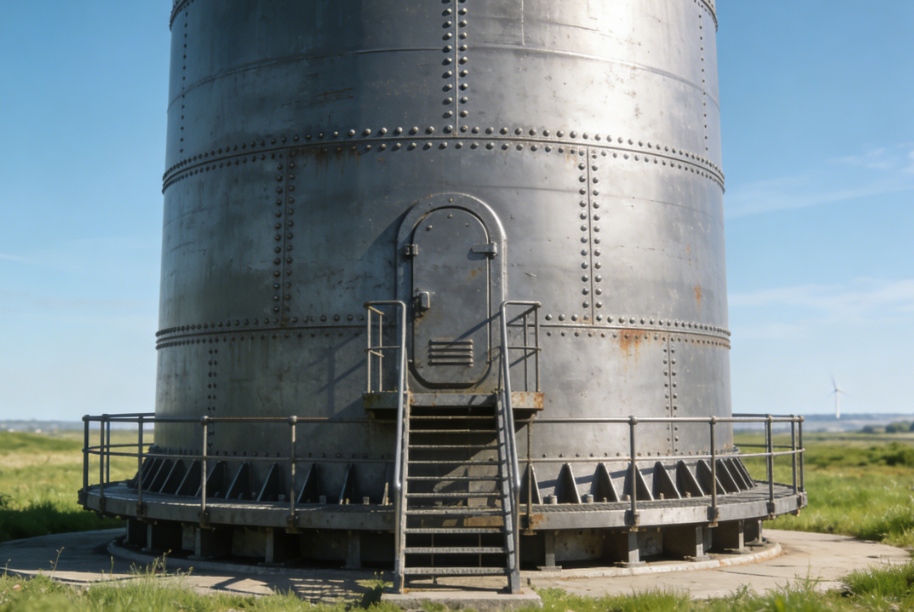
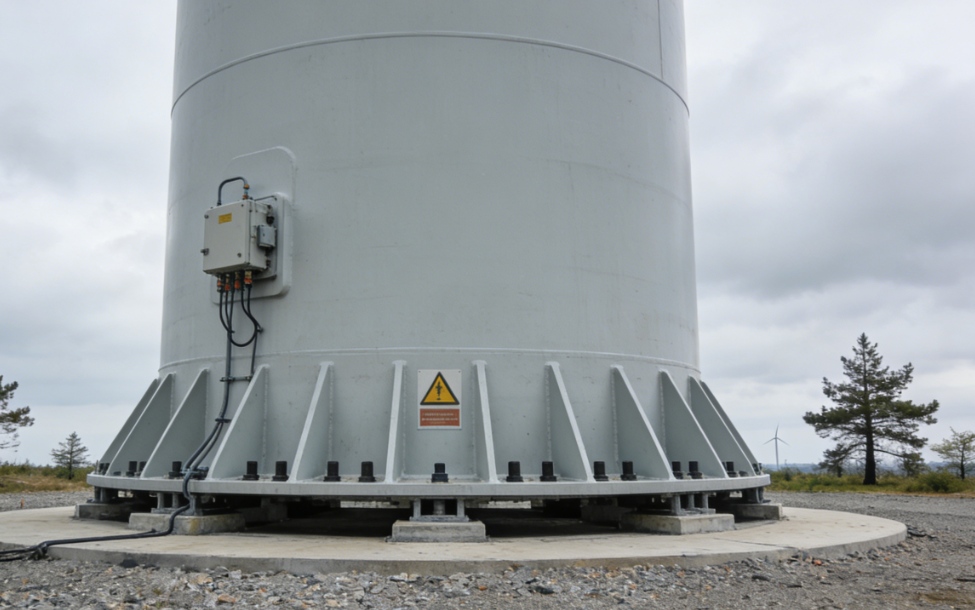
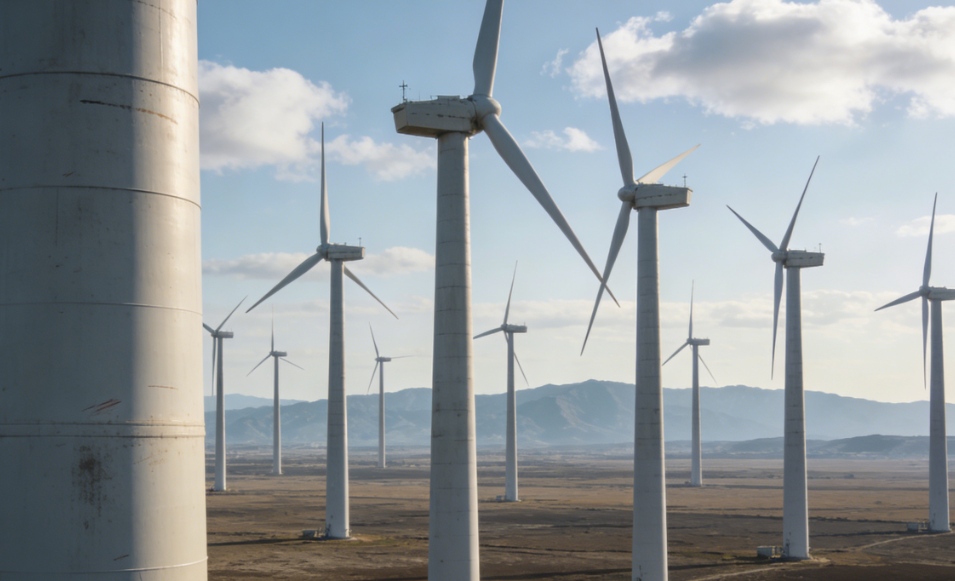
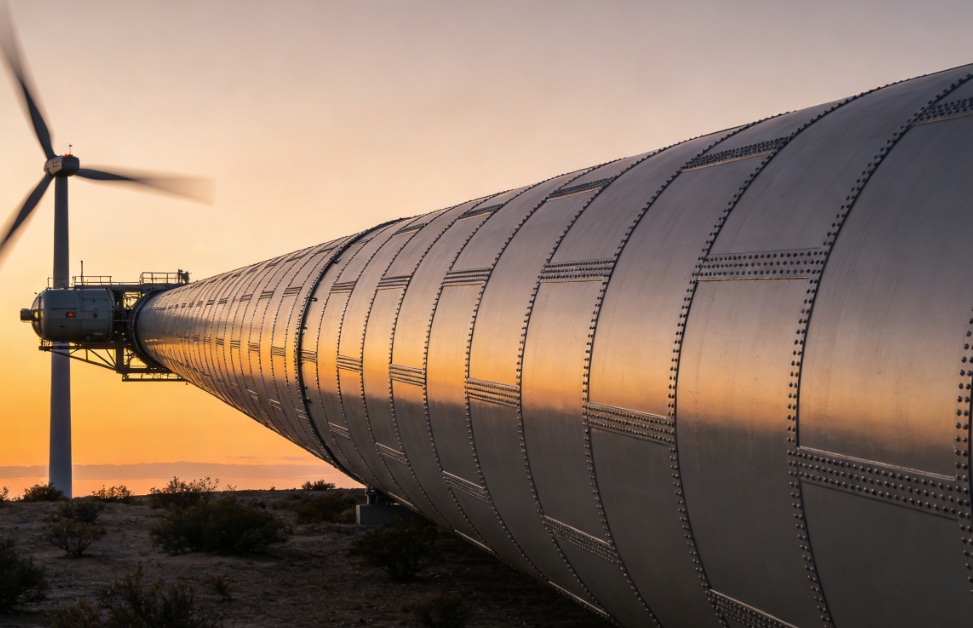
Steel Conical Tower for Wind Power Generation
High-Strength Steel Construction
Manufactured from high-quality low-alloy structural steel (e.g., Q355D, S355NL), ensuring excellent load-bearing capacity, fatigue resistance, and safety under extreme wind conditions.Modular & Tapered Design
Conical (tapered tubular) design reduces material usage while maintaining structural stability. Built with 3–4 flange-connected sections for easy transport and fast on-site assembly.Superior Corrosion Protection
Advanced anti-corrosion system — including shot blasting, zinc-rich primer, epoxy intermediate coat, and polyurethane topcoat — ideal for onshore and offshore environments.Precision Manufacturing
CNC-cut steel plates, rolled and welded with automated submerged arc welding (SAW), and inspected via ultrasonic testing (UT) and dimensional control for perfect flange matching.Customizable Dimensions
Available in hub heights from 80m to 160m+, with bottom diameters up to 4.5m and top diameters from 2.5m to 3.5m, adaptable to 1.5MW–8MW+ wind turbines.Fatigue-Resistant Welds
All longitudinal and circumferential welds meet ISO 5817 / EN 1993-1-9 standards, offering long service life (20+ years) in dynamic wind loading conditions.Easy Erection & Maintenance
Flange connections with high-strength bolts, service platform and ladder pre-installed (optional), reducing crane time and increasing site safety.Global Compliance
Certified to ISO 3834 (welding quality), EN 1090 (steel structures), and IEC 61400 (wind turbines), ensuring international project acceptance.
Product Details
The Steel Wind Turbine Tower Tube is a critical load-bearing structure that supports the nacelle and rotor at the required hub height. Manufactured from high-strength low-alloy steel (e.g., Q355D, S355NL, or equivalent), this conical (tapered) tubular tower is designed to withstand complex dynamic loads — including wind pressure, turbine vibration, gravitational forces, and seismic activity — over a design life of 20+ years.
Key Technical Features:
Tapered geometry: Larger bottom diameter ensures stability; smaller top diameter matches turbine interface, optimizing material distribution.
Flanged sections: Typically divided into 3–4 sections (bottom, middle, top) connected by high-strength bolted flanges for transport and on-site assembly.
Wall thickness: Ranges from 20 mm at bottom to 10 mm at top, calculated based on turbine size and local wind conditions.
Hub height options: 80 m, 100 m, 120 m, 140 m, 160 m+, adaptable to 1.5 MW – 8 MW+ turbines.
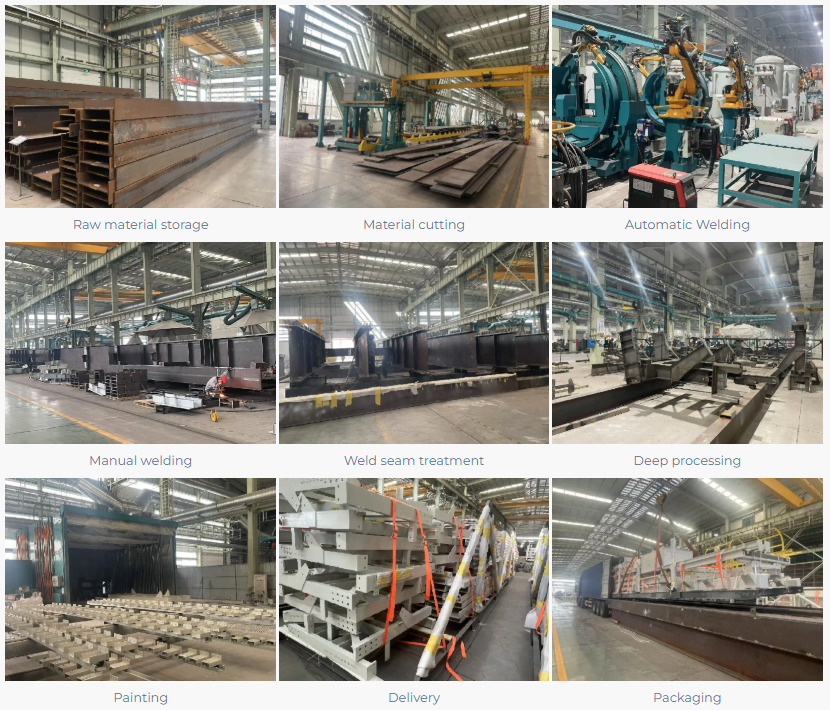
Manufacturing Process (ISO-certified):
Steel plate preparation – CNC cutting and edge beveling.
Rolling & forming – Three- or four-roll bending into conical shape.
Longitudinal welding – Automated submerged arc welding (SAW) with full penetration.
Circumferential welding – Joining can sections; 100% ultrasonic testing (UT).
Flange machining – Precision milling of flange mating surfaces to ensure flatness and bolt alignment.
Surface treatment – Shot blasting (Sa 2.5) followed by multi-layer anti-corrosion coating (zinc-rich epoxy + intermediate + polyurethane topcoat). Offshore-grade or fire-resistant coatings available.
Inspection – Dimensional check, NDT (UT/MT), coating thickness test, and flange flatness measurement.
Applications:
Onshore wind farms (plain, mountain, plateau)
Offshore wind power stations (with upgraded anti-corrosion and cathodic protection)
Retrofit and repowering projects
Compliance & Certification:
ISO 3834 (welding quality)
EN 1090 (steel structures)
IEC 61400 (wind turbines)
DIBt or local standard for fatigue design
Optional Accessories:
Internal service platform and ladder/cable ladder
LED lighting system and maintenance crane rail
Manhole and ventilation ports
Lightning protection system (down conductor)
Send your message to us
Related Products

Related News
Submitted successfully
We will contact you as soon as possible
Close